Compare Washing Machine Prices & Best Deals
Buying a washing machine is a significant investment. With hundreds of models available across different brands, capacities, and technologies, it's easy to feel overwhelmed.
By Function Type:
Buying a washing machine is a significant investment. With hundreds of models available across different brands, capacities, and technologies, it's easy to feel overwhelmed.
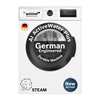

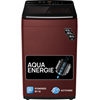
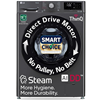
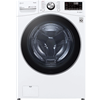
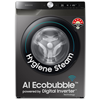
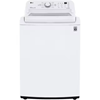
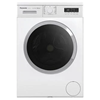
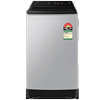
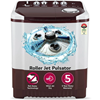
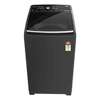
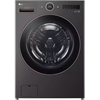
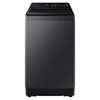
Quick tips to pick the best Washing Machine for your family size, budget, and laundry needs.
Answer: Comparing washing machine prices helps buyers find the best value for money based on features, technology, energy efficiency, and brand reputation. The same washing machine capacity may vary significantly in price depending on whether it includes inverter technology, smart connectivity, steam wash, or advanced wash programs. Price comparison also helps identify discounts, exchange offers, cashback deals, and seasonal sales available online and offline. Smart buyers compare both price and specifications to avoid overpaying for unnecessary features or purchasing underpowered models.
Answer: Before buying a washing machine, compare key specifications such as:
1. Capacity (6 kg, 7 kg, 8 kg, etc.)
2. Type (Front Load, Top Load, Semi-Automatic)
3. Energy Star Rating
4. Inverter Motor Technology
5. Spin Speed (RPM)
6. Water Consumption
7. Wash Programs
8. Noise Level
9. Drum Material
10. Smart Features
11. Warranty and Service Support
These specifications directly affect cleaning performance, electricity bills, water usage, durability, and long-term maintenance costs. Comparing technical details ensures you select a washing machine suitable for your family size, budget, and daily laundry needs.
Answer: Washing machine capacity should match your household size and laundry frequency.
1. 6–7 kg: Ideal for singles and small families
2. 7–8 kg: Suitable for medium families with 3–5 members
3. 8–10 kg: Best for large families and heavy laundry loads
Choosing the correct capacity helps save electricity, detergent, and water. A machine that is too small increases washing cycles, while an oversized machine wastes energy during smaller loads.
Answer: Front load washing machines offer better cleaning performance, lower water usage, and improved energy efficiency. They are gentle on clothes and usually include advanced features such as steam wash and inverter motors.
Top load washing machines are easier to use, more affordable, and generally have faster wash cycles. They are ideal for users looking for convenience and budget-friendly options.
Front load models usually cost more initially but help reduce electricity and water bills over time.
Answer: Energy ratings indicate how efficiently a washing machine consumes electricity and water. A higher star rating generally means lower operating costs and better efficiency.
Comparing energy ratings is important because:
1. 5-star washing machines reduce monthly electricity bills
2. Efficient machines use less water
3. Long-term savings offset higher purchase prices
4. Eco-friendly appliances reduce environmental impact
For frequent washing, investing in an energy-efficient washing machine is usually more economical in the long run.
Answer: Inverter technology allows the washing machine motor to adjust its speed according to the laundry load. Unlike conventional motors that run at fixed speeds, inverter motors optimize energy usage and reduce noise and vibration.
Benefits of inverter washing machines include:
1. Lower electricity consumption
2. Quieter operation
3. Better durability
4. Reduced vibration
5. Longer motor lifespan
Most modern premium washing machines now include digital inverter or smart inverter technology.
Answer: Spin speed is measured in RPM (Revolutions Per Minute). Higher RPM removes more water from clothes during spinning, reducing drying time.
1. 700–1000 RPM: Basic daily washing
2. 1200–1400 RPM: Faster drying and better moisture removal
3. 1400+ RPM: Ideal for heavy fabrics and large families
While higher spin speeds improve drying efficiency, delicate fabrics may require lower RPM settings to avoid damage.
Answer: The best washing machine depends on budget, water availability, electricity usage, and laundry habits.
1. Semi-Automatic: Best for low budgets and areas with water shortages
2. Top Load Fully Automatic: Ideal balance of convenience and affordability
3. Front Load Fully Automatic: Best for superior wash quality and efficiency
Most Indian families prefer fully automatic top load machines because they are user-friendly, affordable, and suitable for daily use.
Answer:Different wash programs improve cleaning performance for different fabric types and laundry conditions.
Important wash modes include:
1. Quick Wash
2. Delicate Wash
3. Cotton Mode
4. Wool Wash
5. Baby Care
6. Steam Hygiene
7. Heavy Load Wash
8. Eco Wash
Comparing wash programs ensures better fabric care, stain removal, and convenience for daily use.
Answer: Premium washing machines usually include advanced features such as:
1. AI Wash Technology
2. Steam Cleaning
3. Smart Wi-Fi Control
4. Inverter Motors
5. Better Energy Efficiency
6. Low Noise Operation
7. Durable Stainless Steel Drums
Although premium models cost more initially, they may provide better wash quality, lower utility bills, and longer durability. However, buyers should compare features carefully to avoid paying extra for functions they may never use.
Answer: For homes with low water pressure, buyers should compare machines that specifically support low-pressure operation. Semi-automatic machines generally perform better in such conditions because they allow manual water filling.
Some fully automatic models include low-pressure technology or pressure pumps for improved performance. Always check the minimum water pressure requirement before buying.
Answer: Noise level becomes important in apartments, small homes, and open kitchen layouts. Machines with inverter motors and anti-vibration technology usually operate more quietly.
Lower noise levels improve user comfort, especially during spin cycles. Comparing vibration control and noise ratings helps buyers choose a quieter appliance for daily use.
Answer: Yes, warranty comparison is essential because washing machines are long-term appliances. Buyers should compare:
1. Product Warranty
2. Motor Warranty
3. Spare Parts Availability
4. Service Network
Many brands now offer up to 10 years warranty on inverter motors. Reliable after-sales support can significantly reduce future repair costs and maintenance hassles.
Answer: Popular and trusted washing machine brands in India include:
1. LG
2. Samsung
3. Whirlpool
4. IFB
5. Bosch
6. Haier
These brands offer different models across budget, mid-range, and premium categories with varying technologies and service support. Buyers should compare specifications, warranty, and reviews before finalizing.
Answer: Common washing machine buying mistakes include:
1. Choosing based only on price
2. Ignoring energy efficiency
3. Buying the wrong capacity
4. Not comparing inverter technology
5. Ignoring wash programs
6. Skipping warranty comparison
7. Not checking installation space
8. Ignoring service availability
A proper comparison of price, features, and technical specifications helps avoid expensive long-term mistakes.